
Geriatric Neurosurgery
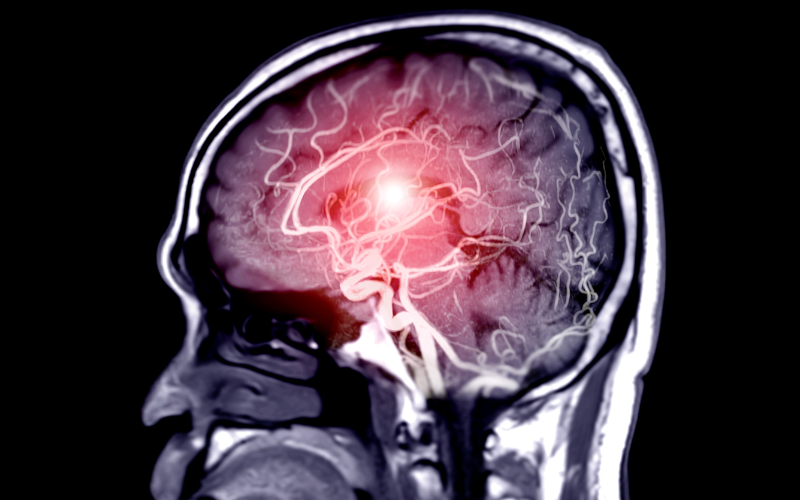
With increasing life expectancy and a growing elderly population, neurological disorders in older adults have become increasingly common. Geriatric Neurosurgery focuses on the diagnosis and management of age-related brain and spine disorders that often require delicate and precise surgical intervention. These conditions are challenging not only because of their complexity but also because elderly patients often have other health concerns that demand careful coordination and individualized treatment plans.
Dr. Rahul Gupta, Director of Neurosurgery at Fortis Noida, is highly experienced in managing neurosurgical problems among elderly patients. His expertise in minimally invasive and neuronavigation-guided surgery ensures that even high-risk patients receive the safest and most effective care. Dr. Gupta specializes in treating conditions such as Normal Pressure Hydrocephalus (NPH), degenerative spine disorders, stroke-related complications, intracranial hemorrhage, and age-related brain tumors with remarkable precision and compassion.
Older patients are often more susceptible to neurological issues due to degenerative changes, vascular fragility, and reduced physiological reserve. Geriatric neurosurgery aims not just to correct structural problems but also to improve functional independence, mental clarity, and overall quality of life. Every treatment is tailored to the patient’s overall health, mobility, and family support, ensuring that surgery provides tangible, lasting benefits.
Clinical Management
The management of elderly patients with neurological or spinal disorders requires a holistic approach that extends far beyond surgery. Evaluation begins with a detailed assessment, including brain imaging, functional tests, and cognitive evaluations, to determine whether surgery will truly enhance the patient’s life and capabilities.
For brain-related conditions like Normal Pressure Hydrocephalus (NPH), Dr. Rahul Gupta employs endoscopic or shunt-based procedures that relieve fluid build-up, helping patients regain mobility, bladder control, and alertness. For vascular and hemorrhagic conditions, advanced micro-neurosurgical techniques and endovascular procedures are used to prevent further bleeding or stroke.
When addressing spinal disorders in elderly patients, Dr. Gupta often prefers minimally invasive decompression or fixation procedures to alleviate nerve compression while minimizing surgical trauma and recovery time. His surgical strategy emphasizes stability, function, and early rehabilitation — allowing patients to resume activity quickly with minimal pain and hospital stay.
Postoperative care plays a critical role in geriatric neurosurgery. Elderly patients receive round-the-clock neuro-monitoring, physiotherapy, and specialized rehabilitation programs aimed at restoring balance, strength, and self-dependence. Dr. Gupta’s multidisciplinary team ensures that every patient is supported medically, emotionally, and physically during recovery.
Ultimately, the goal of geriatric neurosurgery under Dr. Rahul Gupta’s care is not just to prolong life but to restore independence and confidence. Through precise planning, gentle surgical execution, and continuous rehabilitation, many elderly patients achieve outcomes that greatly enhance their comfort, cognition, and dignity in later life.