
Dr. Rahul Gupta - Aneurysm Surgeon in Noida
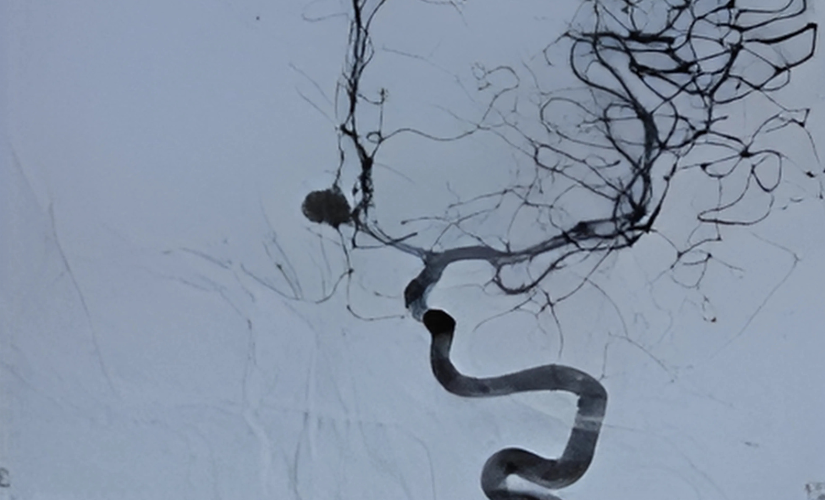
Diagnosis is primarily confirmed by cerebral angiography, with Digital Subtraction Angiography (DSA) in a Neurocathlab being the gold standard. Surgical treatments include clipping, which requires opening the skull to place a clip at the aneurysm base under a high-powered operating microscope, and coiling, an endovascular procedure performed without opening the skull. Both have distinct advantages and disadvantages depending on patient condition and aneurysm specifics.
Treatment Considerations and Complications
Timely treatment of cerebral aneurysms is crucial to prevent fatal hemorrhages. Clipping and coiling have high success rates but should be chosen based on aneurysm size, shape, location, and patient factors. Vasospasm, a sudden or gradual narrowing of blood vessels after hemorrhage, is another critical risk, treated effectively with medication to restore blood flow and reduce stroke risk. Regular monitoring and follow-up imaging play an important role in patient management.
Frequently asked questions
Weakness in artery walls due to genetics, hypertension, smoking, or trauma can cause aneurysms.
Sudden severe headache (often described as “thunderclap headache”), nausea, vomiting, confusion, seizures, and loss of consciousness.
By cerebral angiography, especially Digital Subtraction Angiography (DSA), and neuroimaging (CT, MRI) techniques.
Surgical clipping and endovascular coiling are the main treatments, chosen based on the aneurysm characteristics.
A complication causing narrowing of blood vessels after hemorrhage, treated with medications to prevent brain ischemia.