
Osteoporosis
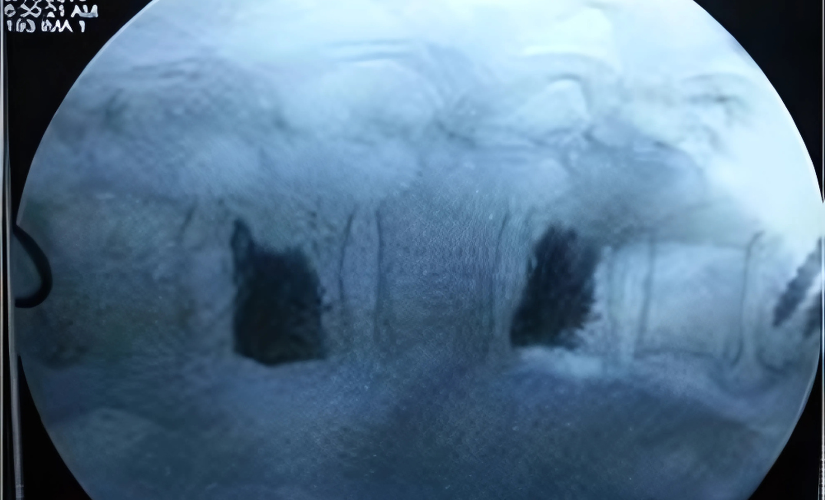
Many people with osteoporosis do not experience any symptoms until a fracture occurs. Compression fractures of the vertebrae, without associated motor or sensory weakness, can be treated with minimally invasive procedures such as vertebroplasty or kyphoplasty. These involve inserting biological cement into the vertebral body using a long needle under local anesthesia with image guidance (C-arm). Osteoporosis is diagnosed by radiography and by measuring bone mineral density (BMD). Treatment with medications is usually lifelong to maintain bone strength and prevent fractures.
Prevention and Management
Preventing osteoporosis involves a combination of adequate calcium and vitamin D intake, regular weight-bearing exercise, and avoiding smoking and excessive alcohol. Early diagnosis through bone density testing helps identify those at risk. Treatment focuses on strengthening bones, preventing falls, and managing pain or fractures when they occur. Vertebroplasty and kyphoplasty provide effective relief and stabilization for vertebral compression fractures, improving quality of life.
Frequently asked questions
A condition where bones become less dense, weaker, and more likely to break.
Women, especially postmenopausal, and older adults are at highest risk.
Usually no noticeable symptoms until a fracture happens.
By X-rays and bone mineral density (BMD) tests.
With minimally invasive procedures like vertebroplasty or kyphoplasty using bone cement to stabilize the spine.