
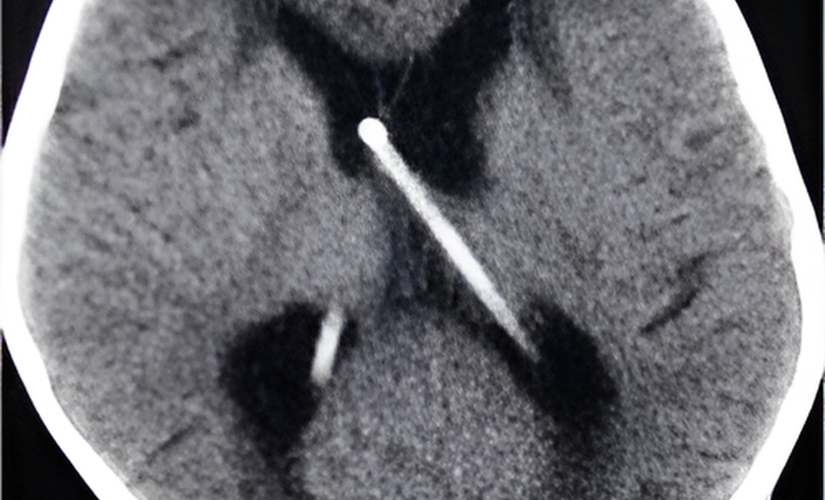
Hydrocephalous
Common signs include headaches, vomiting, blurring of vision, and, in infants, an enlarged head. Causes range from birth defects to acquired reasons such as infections (e.g., meningitis), brain tumors, traumatic brain injury, and hemorrhage. Diagnosis is confirmed with brain imaging, such as an ultrasound, CT scan, or MRI.
Treatment Options
Ventriculoperitoneal (VP) Shunt: A flexible tube is inserted to divert CSF from the brain to the abdomen for absorption. Patients need regular monitoring for shunt function and possible complications.
Endoscopic Third Ventriculostomy (ETV): The surgeon creates a small hole in the floor of the third ventricle to allow blocked CSF to flow out of the brain.
Both techniques have their own pros and cons and may be selected based on age, cause, and patient condition. With early intervention and proper care, most people can achieve good symptom control and quality of life.
Frequently asked questions
It is excess buildup of brain fluid, mainly affecting infants and older adults, but it can occur at any age.
Headache, vomiting, blurred vision, changes in memory, coordination difficulties, and in infants, rapid head growth.
Causes include birth defects, infections like meningitis, brain tumors, trauma, and brain hemorrhage.
By surgical placement of a VP shunt or by endoscopic third ventriculostomy, both allowing fluid drainage from the brain.
While surgical treatment can control symptoms and prevent complications, most patients require lifelong follow-up.